
Tours
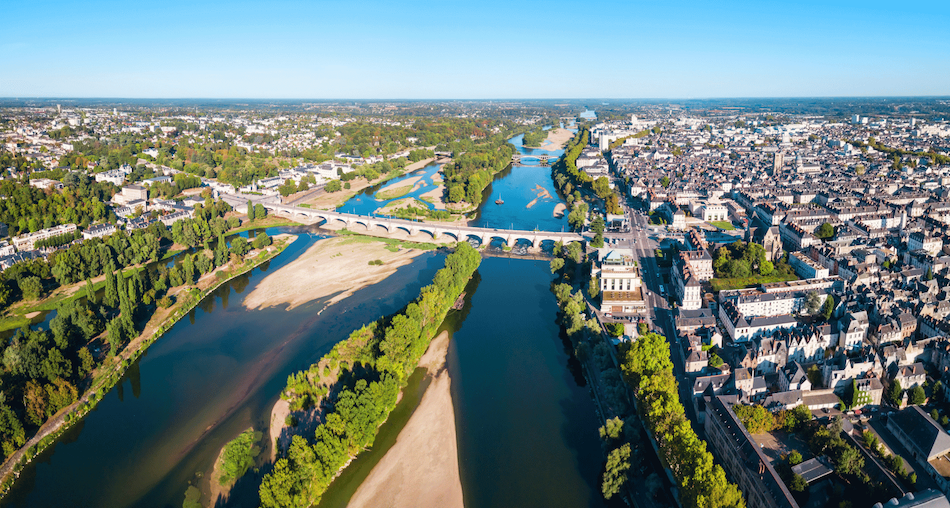
With over 30 000 students, including 12,5% of international students and 36 research laboratories, the University of Tours is the leading public multidisciplinary research institution in the Centre-Val de Loire region.
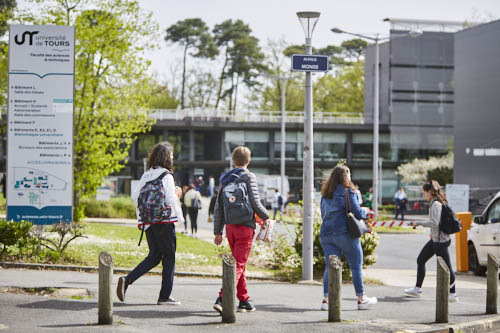
The Sciences and Technology Campus of the University of Tours is located in the 22-hectare scenic oak forest setting of the Parc de Grandmont. Sustainable management of the campus and conservation programs ensure biodiversity preservation of this urban forest.
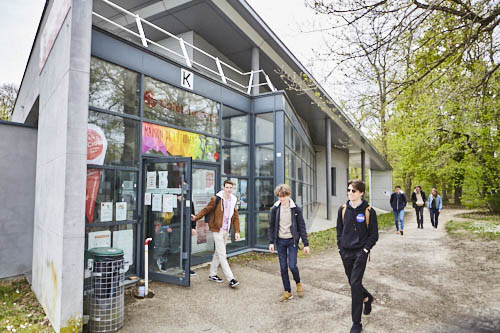
The Insect Canopy Observatory, nested within the Sciences and Technology Campus of the University of Tours, is a unique infrastructure designed to study insect biodiversity and conservation in situ in the canopy of temperate forests.
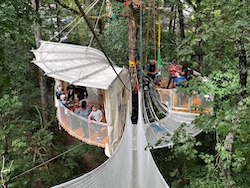
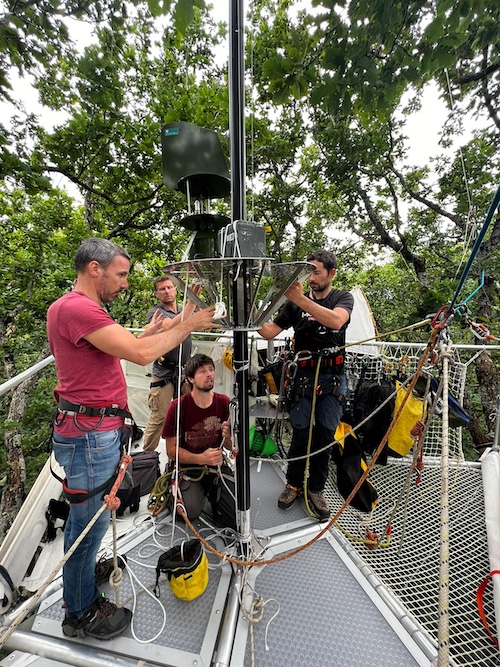
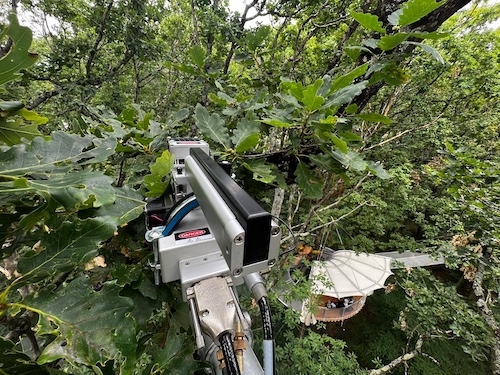
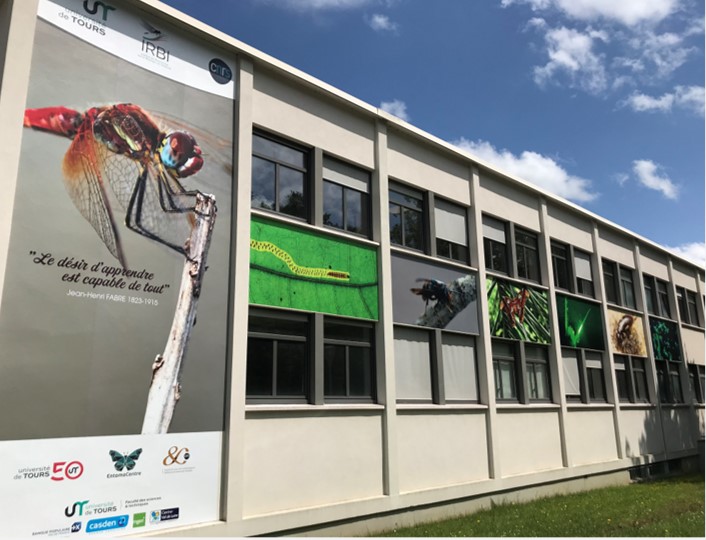
The University of Tours has a long-standing expertise and reputation for excellence in insect sciences and evolutionary biology with the flagship Insect Biology Research Institute (IRBI). IRBI is a joint research unit of the University of Tours (UT) and the National Center for Scientific Research (CNRS), to which it is affiliated through the Ecology and Environment Institute (CNRS Ecology & Environment). The IRBI is dedicated to the analysis of interactions between insects and their biotic and abiotic environment using integrative approaches (organismal biology, ecology and evolutionary biology) and with a diversity of expertise (ecology, physiology, genetics, (bio)chemistry, physics, bioinformatics and mathematics), making it a unique insect science institute with an asserted international identity. The areas of transfer range from insect biodiversity monitoring and conservation, biological control for sustainable agriculture, to the development of new technologies for the control of vector and invasive insects in natural, agricultural and urban environments, as well as biomimicry or the production of insects for feed and food.